
The European energy market is going through a period of heightened sensitivity. International tensions, fluctuations in gas and oil prices, and stress events along supply routes have brought renewed volatility to a system that was already showing signs of instability. On many days, intraday price spreads —the gap between peak hours and cheaper hours— have widened, complicating cost forecasting and forcing industries to operate under greater uncertainty.
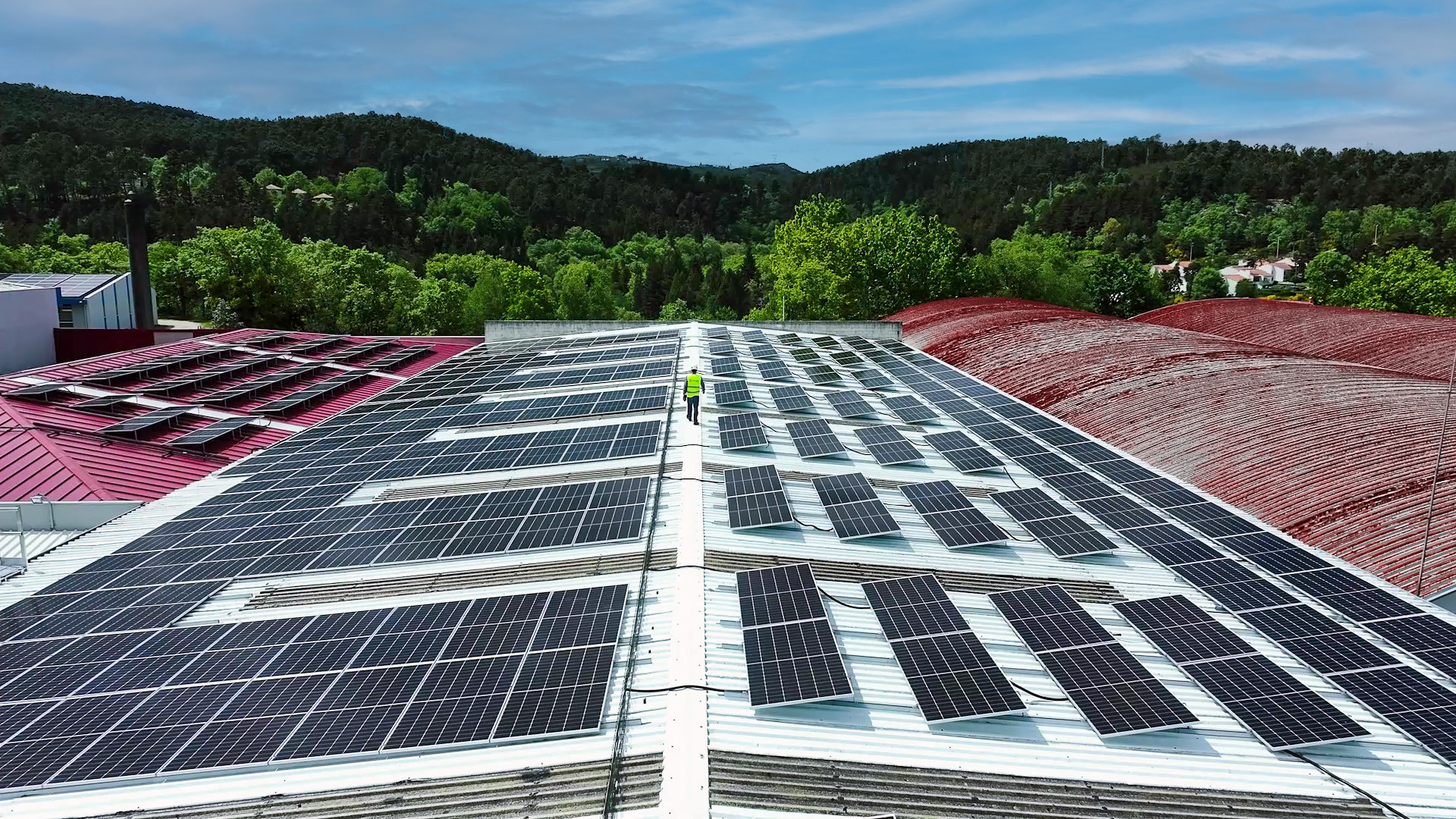
This volatility is not a temporary phenomenon but a structural feature of the market. As a result, many companies have accelerated their path toward energy autonomy. What was once viewed as a strategic choice has now become an operational necessity to gain control over demand. Generating energy close to the point of consumption, digitalizing consumption profiles, or diversifying energy sources are no longer just efficiency measures: they help reduce vulnerabilities in fast‑changing environments.
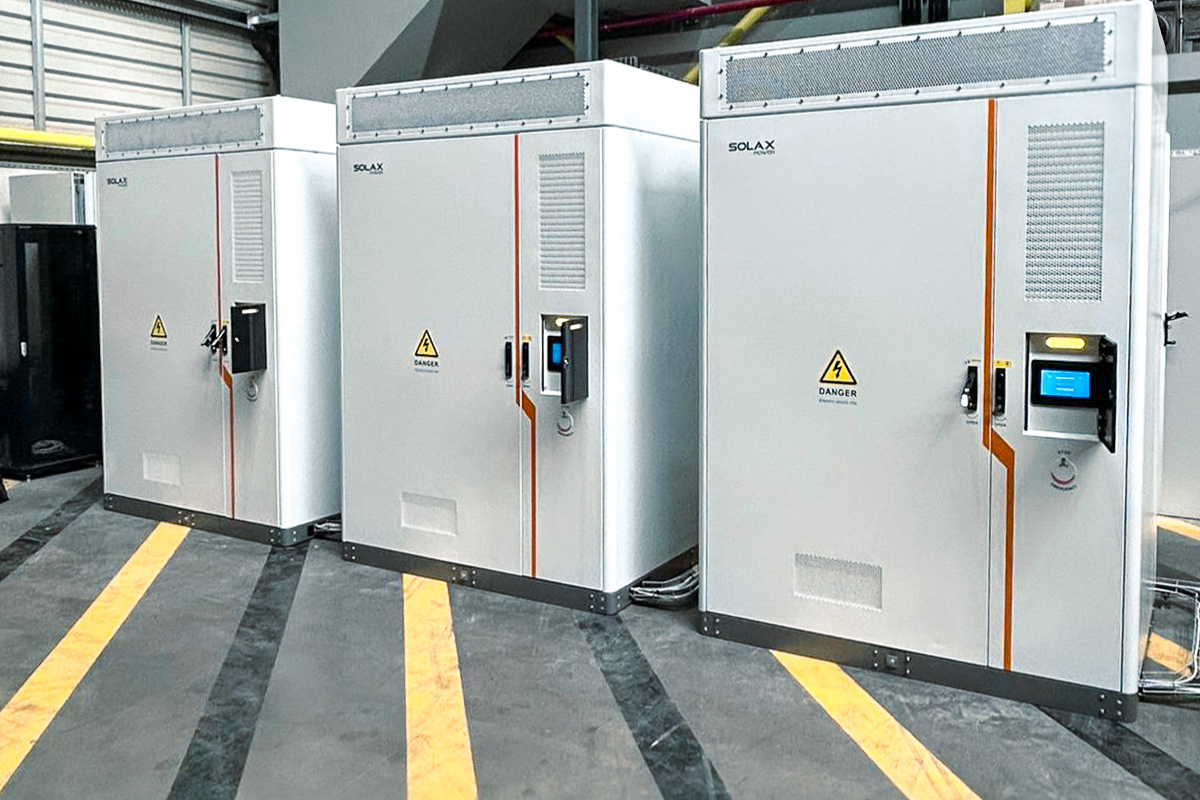
Energy autonomy provides something the market cannot guarantee: predictability. However, its potential grows when combined with a component that is gaining traction across Europe: battery energy storage systems (BESS). In an increasingly electrified system, it is not enough to know how much energy is consumed; it is essential to decide when it is consumed.
Energy storage addresses that need. Its importance continues to rise for three key reasons:
1. A more reactive intraday market
Price differences between expensive and cheap hours can shift within minutes. Batteries enable load shifting, reduce exposure to price spikes, and enhance operational flexibility, providing a level of control that previously depended solely on the electricity market.
2. Operational continuity as a priority
Micro-outages, quality fluctuations, and minor electrical disturbances have real impacts on sensitive industrial processes. A BESS system acts as an internal buffer, stabilizing operations even when external conditions are irregular.
3. Energy autonomy evolving into energy management
Producing onsite energy reduces exposure to volatile prices.
Storing energy allows companies to decide how and when to use it, maximizing its value.
This combination —local generation + flexible management— is driving more resilient energy models. As Europe accelerates electrification and renewable integration, companies that incorporate BESS are gaining the ability to anticipate costs and improve their energy OPEX.
In a system that will remain volatile, storage is not the final step, but it is a decisive one toward a more predictable, flexible energy model aligned with the real needs of industry. A key piece that bridges two trends already shaping the sector’s agenda: autonomy and intelligent energy management.