
Over the past decade, solar energy has established itself as one of the most effective solutions for reducing energy costs and emissions in the industrial sector. For many companies, investing in a solar plant was a logical decision, delivering fast and measurable results.
However, the energy landscape has changed significantly. Today, having solar generation alone no longer guarantees optimized energy costs. The real challenge has shifted: how to manage energy more intelligently in an increasingly volatile market.
A New Energy Landscape for Industry
Industrial companies are now operating in a very different electricity market from the one in which many solar projects were originally designed.
Throughout the day, electricity prices fluctuate significantly. There are periods when energy is abundant and inexpensive, particularly during high renewable generation, and others when prices rise sharply, often coinciding with industrial consumption peaks.
In this context, generating solar energy during certain hours of the day is no longer sufficient to ensure stability, predictability, and cost control.
The Limits of Traditional Solar Plants
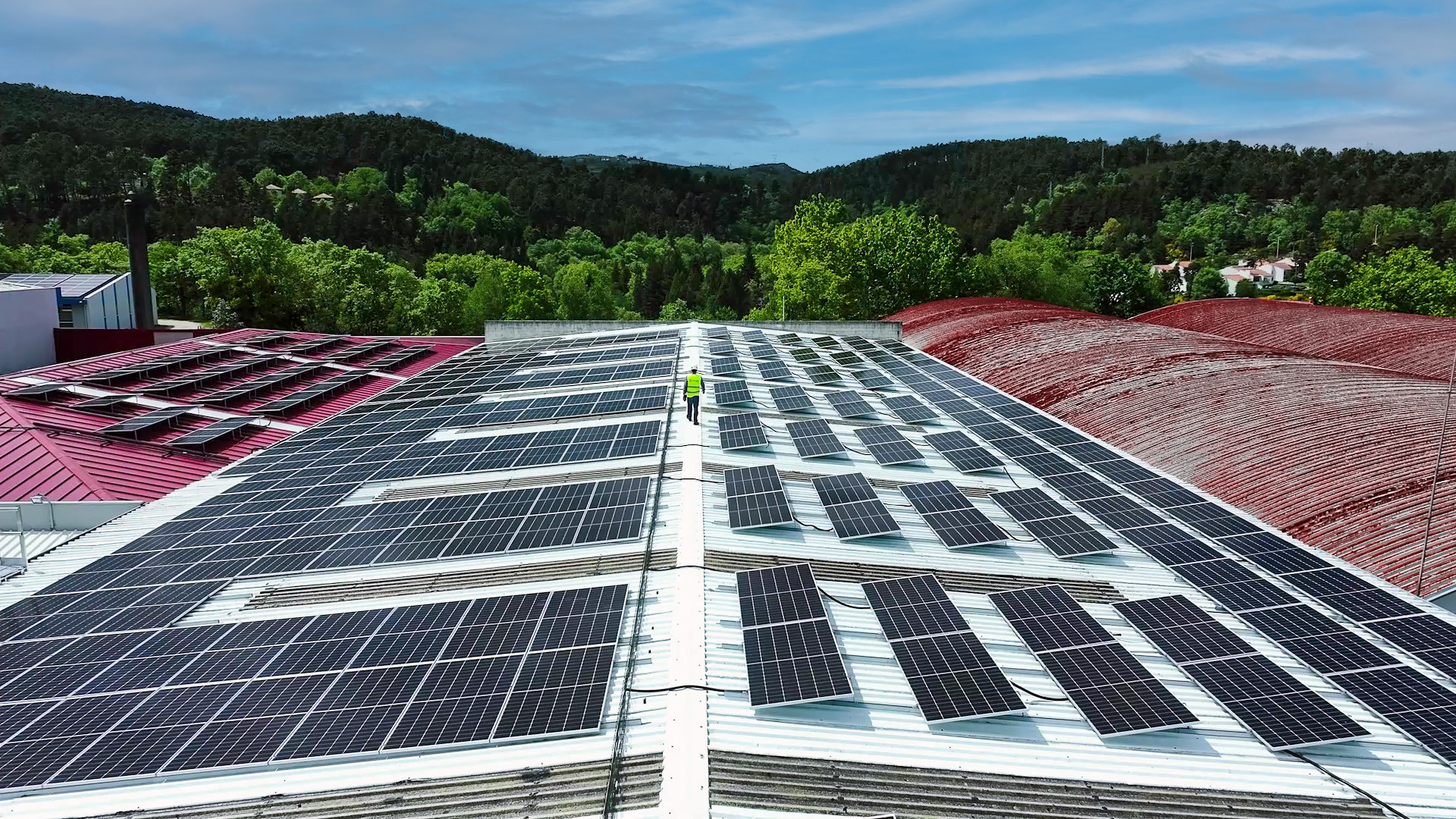
Many existing industrial solar plants were designed to maximize generation whenever sunlight is available. While this model remains technically efficient, it is not always aligned with companies’ current consumption profiles.
In many cases:
- Peak consumption occurs outside solar generation hours
- Part of the energy produced during the day is not fully utilized
- Companies remain exposed to high electricity prices during critical periods
The result is a valuable renewable asset that is economically underutilized.
From Energy Production to Energy Management
This is where a key shift is taking place in the industrial sector. The focus is moving from simply generating energy to strategically managing the entire energy system.
Increasingly, companies are looking for solutions that allow them to:
- Reduce exposure to electricity market volatility
- Adapt energy supply to their operational profile
- Increase system flexibility without adding internal complexity
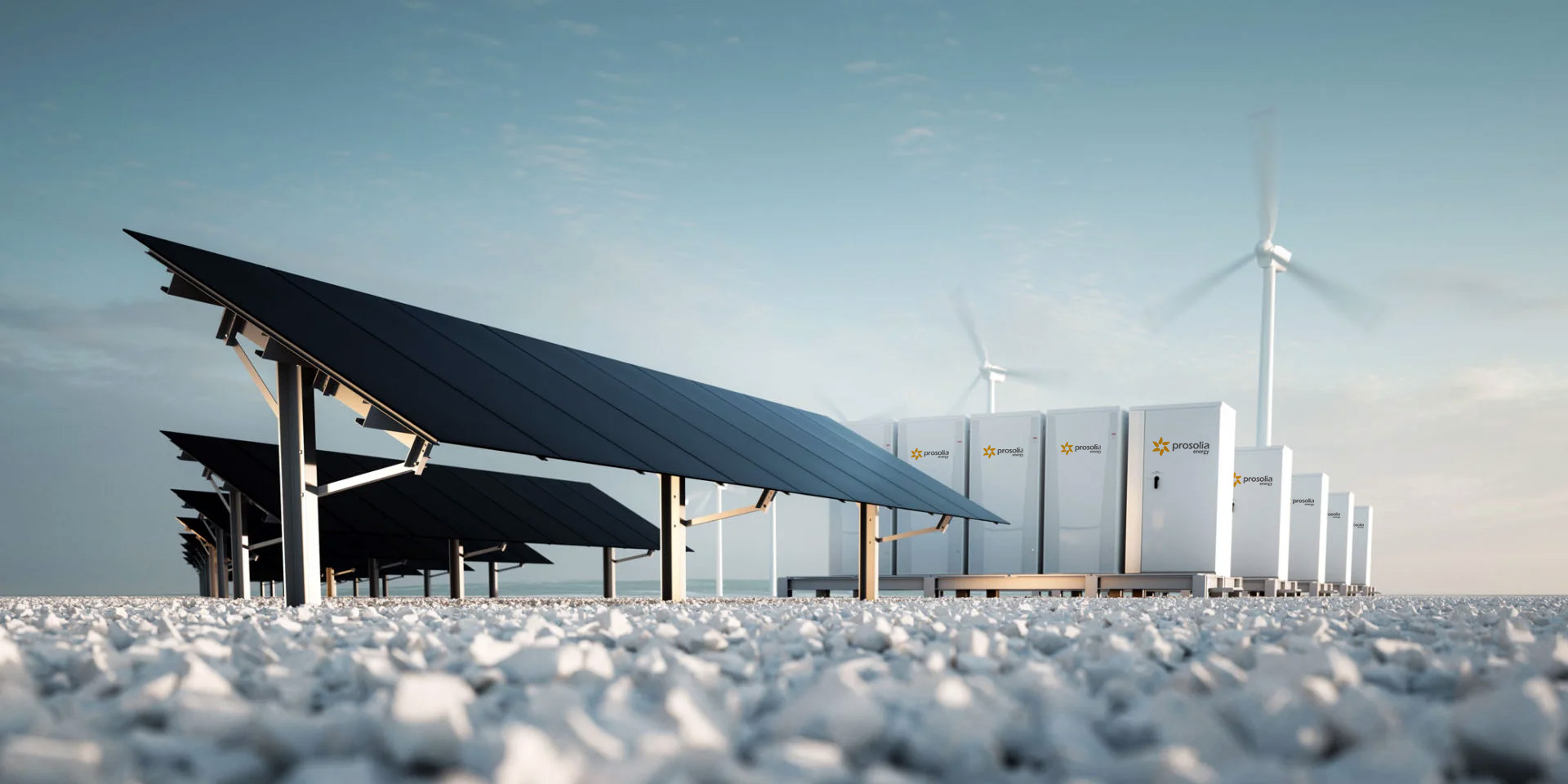
This evolution is driving the adoption of integrated approaches that combine renewable generation, storage, and active energy management.
Solar ReShape: A New Way to Rethink Existing Solar Assets
Within this context, Solar ReShape emerges not as a standalone solution, but as a strategic approach to maximizing the value of existing industrial solar assets.
Rather than starting from scratch, the goal is to rethink and reconfigure the solar system a company already has, adapting it to current market conditions.
In most industrial settings, this approach involves:
- A detailed assessment of the solar plant’s actual performance
- Identification of optimization and expansion opportunities
- Integration of energy storage to increase flexibility
- Transition to a more stable and predictable energy supply model
In many cases, this type of system reconfiguration can be structured through energy supply models that shift both management and investment to an energy partner. This allows companies to remain focused on their core business while benefiting from greater cost predictability.
The goal is not just to produce clean energy, but to use that energy when it creates the most value for the business.
Flexibility and Resilience as Key Factors
By introducing flexibility into the system, particularly through storage, companies gain greater control over when they consume the energy they generate. This enables them to:
- Reduce reliance on the grid during critical periods
- Mitigate the impact of price fluctuations
- Improve long-term cost predictability
More than simply responding to current challenges, this approach prepares industrial operations for a future where energy is managed in a more dynamic, integrated, and strategic way.
A Strategic, Not Just Technological, Decision
It is important to emphasize that this approach should not be seen as purely technological. Above all, it is a strategic decision, one that directly impacts competitiveness, risk management, and long-term business sustainability.
For many industrial companies, the first step is not investing in new equipment, but reassessing their energy system with a broader perspective, evaluating how existing assets can be adapted to better respond to the new energy landscape.
Rethinking Energy as a Strategic Asset
The industrial energy transition has entered a new phase. Success is no longer defined solely by installed capacity, but by the ability to adapt.
Approaches such as Solar ReShape reflect this shift in mindset: energy is no longer just a cost to reduce, but a strategic asset to be actively managed, aligned with each company’s operational and economic reality.