

For decades, industrial energy management was largely focused on securing the lowest possible electricity price, today that strategy is becoming increasingly difficult to sustain.
Electricity markets have become increasingly volatile, manufacturing processes are becoming more electrified, and companies are under growing pressure to decarbonize while maintaining productivity and controlling costs. Energy is no longer just another operating expense, it has become a strategic factor that directly influences competitiveness.
As a result, industrial businesses are changing the way they think about energy. Instead of relying entirely on electricity purchased from the grid, they are beginning to manage energy as a resource that can be generated, stored and optimized according to operational requirements.
Energy flexibility is changing this paradigm. This is the ability to adapt how and when energy is generated, stored and consumed in response to operational needs and changing market conditions. Beyond supporting renewable energy integration, it allows companies to improve cost predictability, increase operational efficiency and reduce exposure to electricity price volatility.
In other words, rather than being viewed solely as a sustainability initiative, energy flexibility is a strategic capability that helps industrial companies protect operating margins while preparing for a more electrified and decentralized energy system.
How energy flexibility transforms industrial energy management: from the grid to behind-the-meter optimisation
Industrial facilities have traditionally depended on the electricity grid to meet production demand. While this model has supported manufacturing for decades, it also exposes businesses to fluctuating electricity prices and external market conditions.
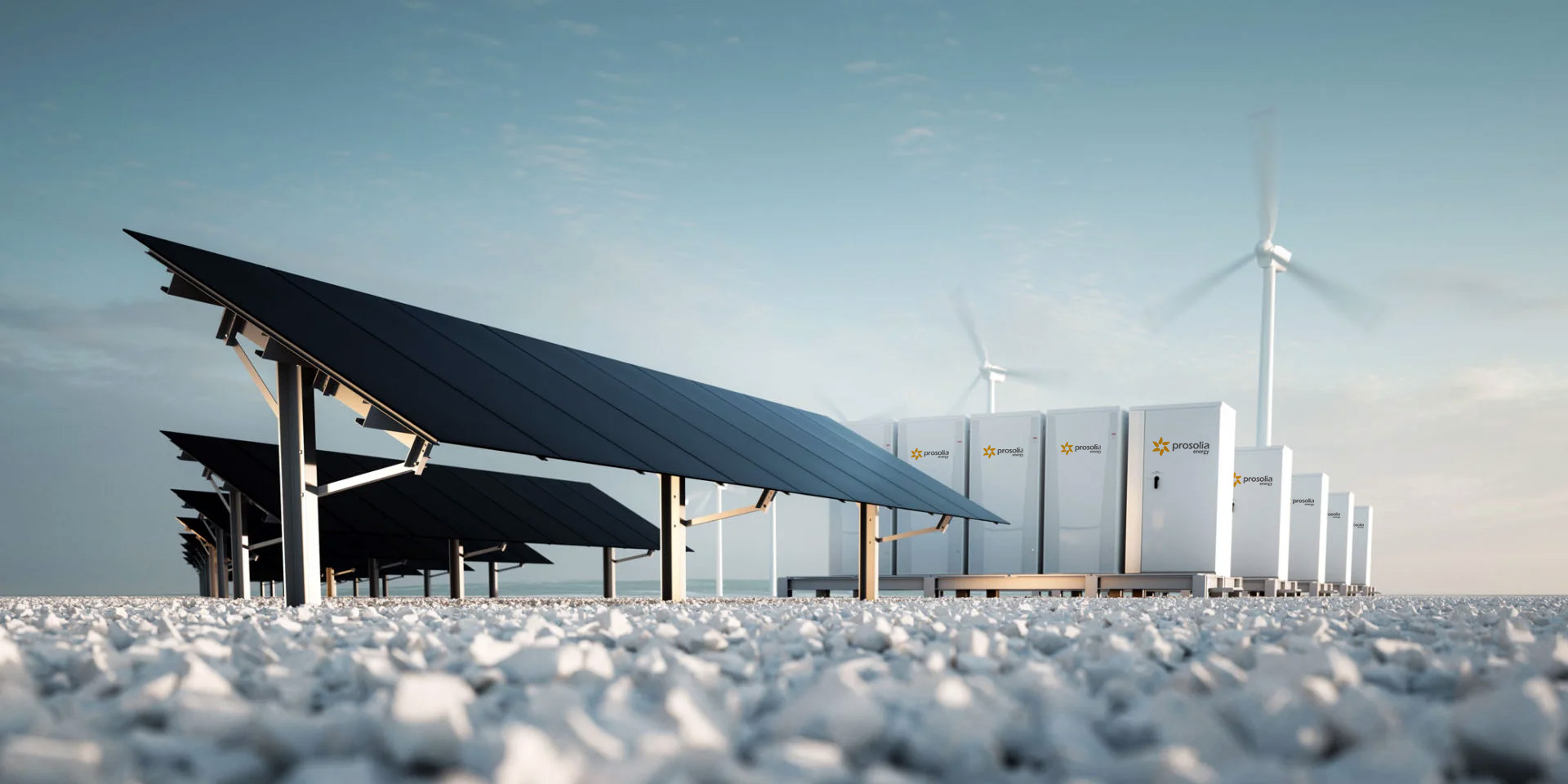
The increasing deployment of Distributed Energy Resources (DERs) is changing that relationship. Solar generation, battery storage, electric vehicle charging infrastructure and other distributed technologies now allow industrial sites to produce and manage part of their own electricity locally and, instead of operating as separate assets, these technologies should function as part of an integrated energy ecosystem capable of responding dynamically to production requirements.
This approach is known as behind-the-meter optimization, where rather than optimizing energy once it has already been purchased from the grid, companies first optimize the resources available within their own facilities. Local generation, storage systems and flexible electrical loads work together to increase self-consumption, reduce unnecessary imports and improve the overall performance of industrial energy systems.
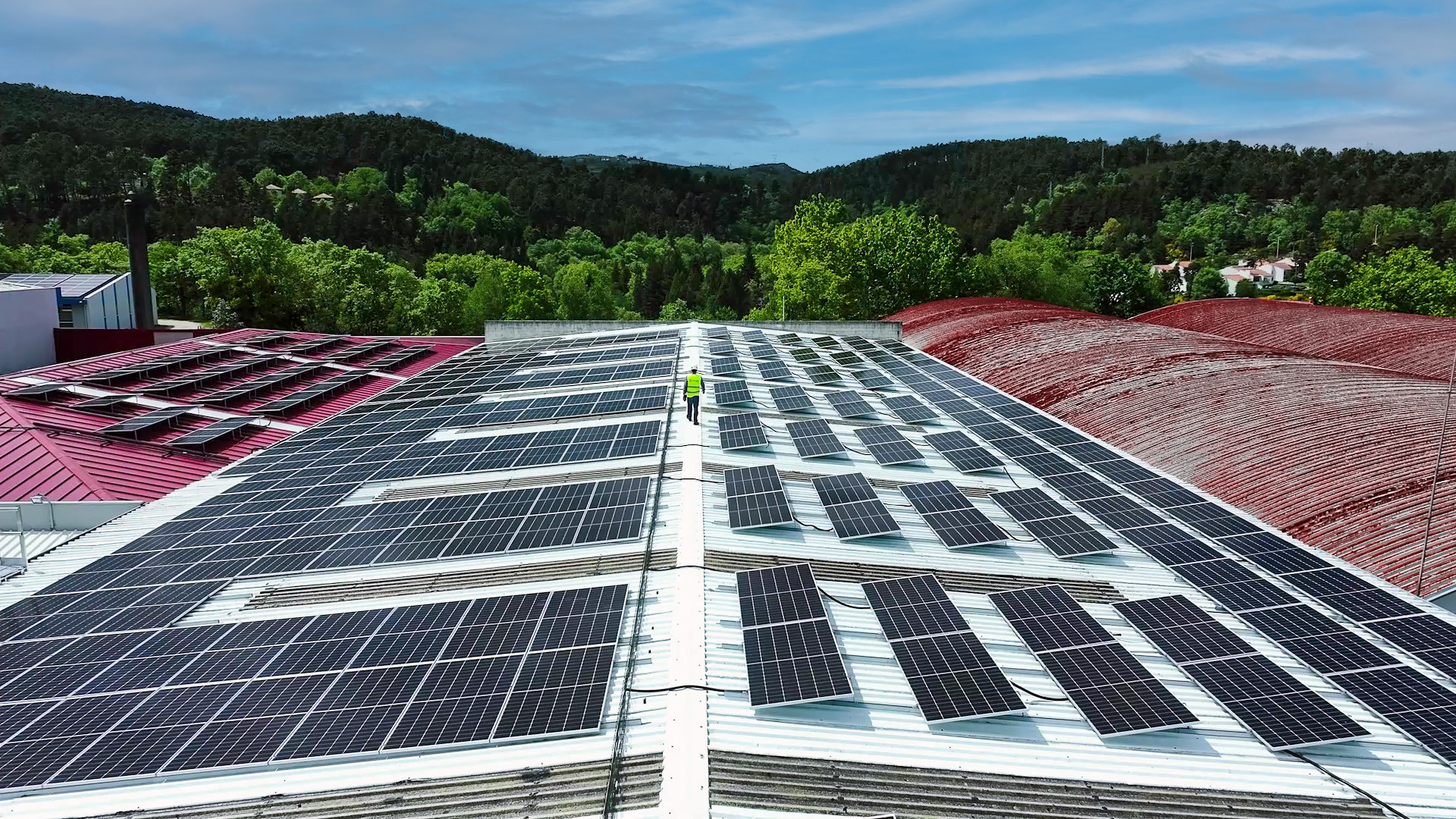
Consider a manufacturing facility operating across two production shifts. Rooftop solar panels may generate more electricity than the site requires around midday, while demand remains high later in the afternoon when solar production begins to decline. Without a flexible energy strategy, surplus electricity is exported during peak generation, and additional electricity is purchased from the grid only a few hours later.
By coordinating generation, storage and consumption more intelligently, that same renewable electricity can be used when production actually requires it.
This ability to continuously balance local generation with operational demand is as valuable as manufacturing processes become more electrified. Demand flexibility allows certain electrical loads to be shifted or managed without affecting production quality, helping companies improve the use of renewable generation while reducing dependence on external electricity markets.
This results in a more intelligent way of operating distributed energy systems, where every energy asset contributes to improving operational performance rather than functioning independently.
Intelligent energy flexibility: the role of Energy Management Systems (EMS)
Generating renewable electricity is only the first step towards greater energy flexibility. The real challenge lies in coordinating multiple energy resources, so that they operate as a single intelligent system.
Modern industrial facilities generate vast amounts of operational data. Electricity demand changes throughout the day, renewable generation varies with weather conditions, production schedules evolve continuously and electricity prices fluctuate from one hour to the next. As a result, managing all these variables manually is becoming increasingly complex.
An Energy Management System (EMS) provides the intelligence needed to coordinate these variables. By continuously analyzing weather forecasts, electricity prices, production schedules and the performance of onsite assets, an EMS determines how available energy resources should be used at any given moment. Instead of relying on fixed operating rules, energy management becomes dynamic, adapting continuously to changing conditions. This enables real-time control of flexible energy assets, allowing the system to respond automatically as operating conditions change.
Advanced EMS platforms use predictive algorithms to anticipate future demand and renewable generation. Some also incorporate machine learning, allowing optimization strategies to improve over time by learning from historical operational patterns
This process of digital energy optimization allows companies to improve overall system performance while reducing unnecessary electricity imports and making better use of the existing infrastructure.
Energy flexibility as a driver of operational performance
Intelligent software alone can´t deliver energy flexibility, its value depends on the physical infrastructure it controls.
Industrial facilities are moving away from individual technologies and towards hybrid energy systems, where renewable generation, storage, electrical infrastructure and digital control platforms operate as one integrated architecture capable of responding dynamically to operational requirements.
This integrated approach delivers benefits beyond energy cost optimization as it improves power quality by helping reduce voltage fluctuations that can affect sensitive manufacturing equipment, while also contributing to greater grid stability by managing interactions between on-site generation and the wider electricity network.
As industrial processes continue to electrify, reliable system integration is increasingly important. From automated production lines to electric process heating and charging infrastructures, they all place greater demands on the electrical infrastructure, making careful engineering and the use of reliable Tier 1 components essential for long-term performance.
The best prepared facilities for the future will not necessarily be those that generate the most renewable energy, but those capable of integrating generation, storage and intelligent control into a single, coordinated energy ecosystem.
Industrial decarbonization as a business strategy
Industrial decarbonization is often discussed in terms of emissions targets and environmental commitments. While these remain important, they represent only part of the picture.
Reducing carbon emissions should be viewed as inseparable from improving operational performance. By making better use of locally generated electricity and reducing dependence on fossil fuel-based generation, companies can lower emissions while increasing the efficiency of their energy systems.
The operational benefits are equally significant since reducing unnecessary electricity imports, increasing self-consumption and coordinating energy demand more effectively contribute to lower operational expenditure (OPEX) while enhancing cost predictability over the long term.
At the same time, these improvements support broader ESG objectives by demonstrating measurable progress towards decarbonization and more efficient resource management.
Battery Energy Storage Systems (BESS): maximising renewable energy utilisation
The benefits of energy flexibility become tangible when they translate into measurable improvements in day-to-day operations.
Among the technologies enabling this transition, Battery Energy Storage Systems (BESS) play a key role. Unlike renewable generation, which depends on weather conditions, BESS introduces the ability to shift energy across time.
Instead of using electricity only when it is generated, companies can store energy when it is abundant or when market prices are lower and use it later when production demand increases. This significantly increases the value of on-site renewable generation while reducing dependence on electricity purchased from the grid.
Today’s lithium-ion batteries, combined with advanced power electronics and intelligent control systems, offer high efficiency, rapid response times and long operational lifecycles. When correctly integrated, they also optimize the overall battery lifecycle, ensuring that storage assets continue delivering value over many years of operation.
However, the real value of BESS is not measured by how much electricity it stores, but by the operational strategies it enables.
Peak shaving and energy arbitrage: operational strategies to optimise energy costs
One of the most common applications is peak shaving, which reduces the highest levels of electricity demand by supplying part of the required power directly from the battery instead of drawing it from the grid. This helps optimize contracted demand, reducing demand-related electricity charges without affecting production.
Another is energy arbitrage, which takes advantage of fluctuations in electricity prices throughout the day. Batteries can be charged when electricity prices are lower, or when surplus renewable generation is available, and discharged when prices rise, allowing companies to make more strategic use of electricity.
Storage also supports demand management, enabling flexible electrical loads to be coordinated with production schedules and available energy resources.
Finally, BESS can provide backup power for critical operations during temporary grid disturbances or short interruptions, helping minimize downtime and improve business continuity.
| Strategy | How it works |
| Peak shaving | Reduces peak demand, helping optimize contracted demand and lowering demand-related electricity costs. |
| Energy arbitrage | Charges batteries when electricity prices are lower and uses stored energy during higher-price periods. |
| Demand management | Aligns energy consumption with production requirements and market conditions. |
| Backup power | Improves operational resilience during power disturbances and unexpected grid events. |
Although each of these strategies deliver value independently, their greatest potential is achieved when coordinated through a single energy management strategy.
Industrial PPAs: financing energy flexibility without upfront investment
For many companies, the technologies required to improve energy flexibility is already well established, the greater challenge is often how to implement them while preserving capital for investments that directly support production and business growth.
As a result, the question is often not whether energy flexibility creates value, but how to implement it without compromising liquidity or increasing financial risk. Solutions such as Power Purchase Agreements (PPAs) and Energy-as-a-Service (EaaS) are among the most widely adopted to overcome this challenge by allowing companies to benefit from renewable generation, battery storage and integrated energy management without upfront investment.
Instead of purchasing and owning the infrastructure, businesses gain access to long-term energy services under predictable conditions. This approach transforms what would traditionally be a large CAPEX project into a more manageable operational expense.
For companies operating in competitive industries, this approach helps preserve liquidity, improve financial flexibility and accelerate the transition towards more efficient energy systems.
As an Independent Power Producer (IPP), Prosolia Energy supports this transition by developing, financing and building distributed energy infrastructure, while providing Operation & Maintenance (O&M) throughout its lifetime, allowing companies to focus on their core business
The future of industrial competitiveness
Industrial competitiveness has always depended on how efficiently companies use their resources. Increasingly, energy is becoming one of those resources. The organizations that will be best prepared for the future are unlikely to be those purchasing the cheapest electricity, but those capable of generating, managing and optimizing it as part of their industrial strategy.
Energy flexibility is ultimately about giving businesses greater control over one of their most critical operating variables in an increasingly dynamic energy landscape.

Lorena García is Global Head of Marketing at Prosolia Energy Group, where she develops and implements the company’s global Marketing strategy across six countries: Spain, France, Portugal, Italy, Germany, and Mexico. With experience in the renewable energy sector, she works on the creation of technical and specialised content focused on the energy transition, decarbonisation, sustainability, and innovation in the energy sector.